Essential Watercolor Techniques for Latvian Landscapes
Master wet-on-wet, glazing, and layering methods specifically for capturing the subtle beauty of Latvian countryside with light and shadow.
Read Guide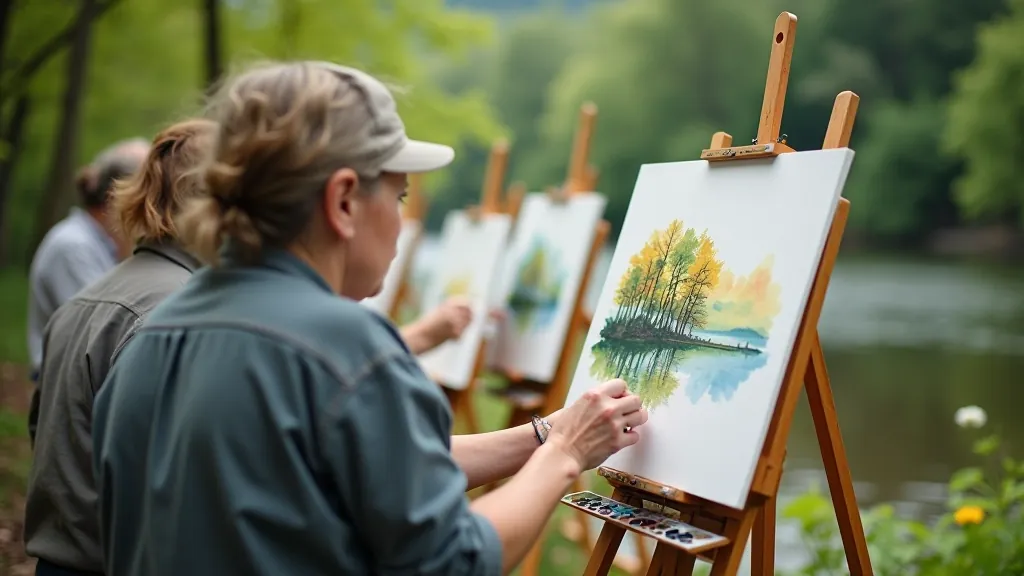

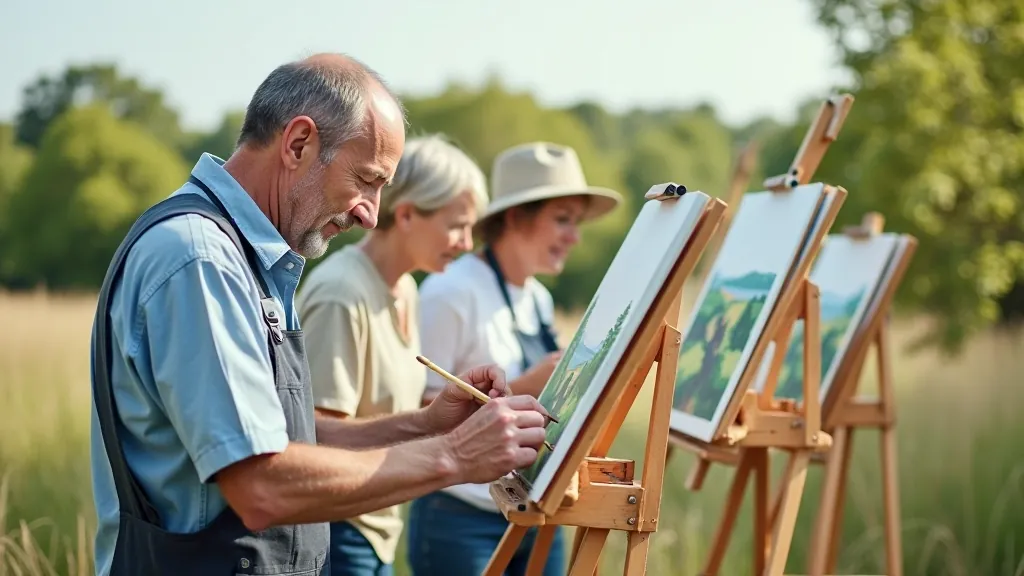
Gauja National Park isn't just beautiful — it's where Latvia's plein air community comes alive. We're talking about real artists who gather throughout the year, bringing their easels, brushes, and paints to capture landscapes under changing light.
The park stretches across 342 square kilometers of river valleys, sandstone cliffs, and forests. You've got everything from quiet meadows to dramatic gorges. It's the kind of place that changes completely between spring and autumn.
There's no single "official" organization running everything. Instead, you've got established groups that meet regularly. Some are casual — artists just show up on the same Saturday each month. Others are more structured, with coordinators and planned locations.
This is the most active group. They meet every second Saturday from May through October, usually around 10 AM. The locations change — sometimes it's the Gauja River banks near Sigulda Castle, sometimes it's the hiking trails on the east side. You'll find 6-15 painters depending on weather.
No registration needed. Just show up with your supplies. The group ranges from absolute beginners to people who've been painting for decades. Everyone works independently but there's plenty of conversation between sessions.
Smaller and more focused on watercolor specifically. They gather roughly once a month on Sundays, rotating between locations in the Līgatne area. The coordinators — usually 2-3 experienced painters — help newer people with technique questions.
This group tends to be more intimate. You'll meet 4-8 people typically. They're serious about their work but also genuinely welcoming. If you're nervous about joining, this might be the better starting point.
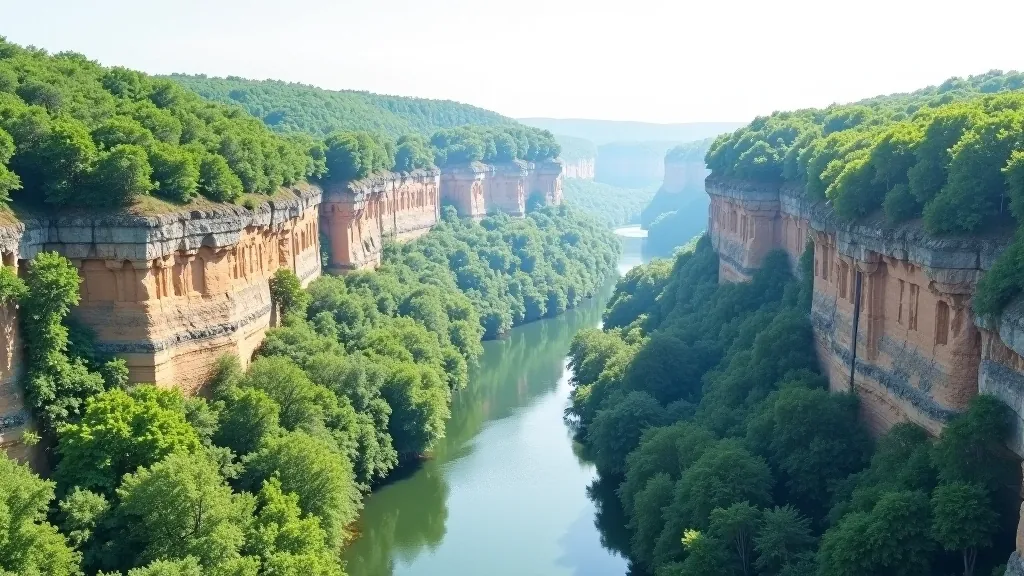
Not all spots are equally popular. Some locations are accessible by car, others require a short walk. The best painting spots tend to have a combination of visual interest, reasonable access, and shelter from wind.
The most photographed location, and for good reason. You've got the castle ruins on one side, river views on the other, and plenty of compositional possibilities. It gets crowded on nice weekends — not just with painters but tourists too. That said, artists have been painting here for decades. The light hits differently depending on time of day and season.
A scenic 5-km hiking trail that winds through the valley. Most painters set up at 2-3 specific spots along the path — the meadow section about 2 km in, and the river overlook near the end. Less crowded than Sigulda but you need to be comfortable with a short walk carrying your supplies.
Quieter than the Sigulda side. The light's different here — more dramatic morning light, interesting shadow play from the eastern hills. There's a small parking area that makes access straightforward. Artists appreciate it for the calmer atmosphere and the fact that you're less likely to have tourists walking through your composition.
The groups and locations described here are based on information current as of April 2026. Meeting schedules, group compositions, and accessibility can change seasonally and year to year. We recommend checking locally before making the trip — contact the Gauja National Park visitor center or local art communities for the most current information on active meetups and any temporary access restrictions.
You don't need special permission to paint in the park. It's open to everyone. But there are real logistics worth considering — parking, weather, what to bring, how early to arrive.
The main season runs May through October. Summer (June-August) gets hot — you're working in full sun most days. Spring and autumn offer better light but less predictable weather. It can rain hard and fast here. Most experienced painters bring a compact umbrella or small tarp.
Winter painting happens occasionally but it's rare. Some dedicated artists show up in March or November, but most groups pause during the colder months.
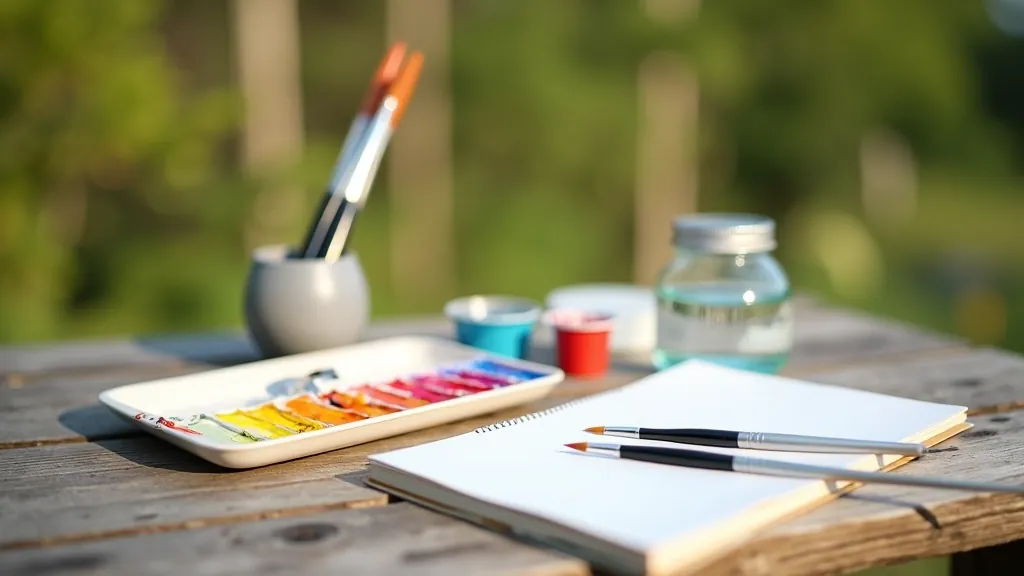
Watercolor is practical for plein air — lighter than oils, quicker drying. Most people bring a portable easel (not essential but useful), a basic palette, brushes, water container, and paper. A hat or cap helps. Bug spray in summer is honestly necessary — the insects are real. Bring water to drink, not just for painting.
Don't overthink gear. Some of the best painters here work with minimal equipment. You'll see people using folding stools, others standing the whole time. Everyone figures out their own system.
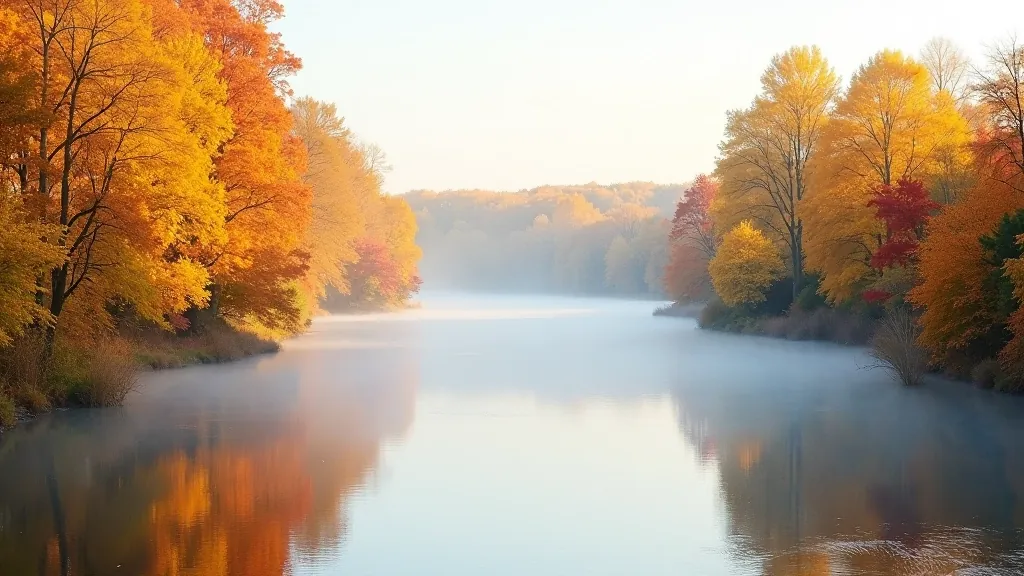
The park transforms dramatically through the year. That's actually why it's such a good plein air destination — you're not painting the same landscape twice.
Everything's green and wet from rain. Light is cool and clear. You'll see new growth, flowers starting, the river higher than summer. Morning light is particularly good — long and dramatic. It's cool enough that you're comfortable working outside for 4-5 hours.
Most group meetups happen now. Weather's reliable, vegetation is full, light is intense. The downside: it gets hot and the light can be harsh at midday. Early morning sessions (starting around 8 AM) are common. Afternoon painting is tougher with shadows being so strong.
This might be the best season. Foliage turns golden and red. The light's softer than summer but still strong. Mornings are cool, afternoons are pleasant. The water reflects autumn colors beautifully. You've got maybe 6-7 hours of good painting light instead of the full sun intensity of summer.
So you want to show up. Here's what actually happens.
Sigulda meetups are predictable — second Saturday, 10 AM. Līgatne is monthly but less consistent. Ask locals or contact the park visitor center for current schedules.
Artists tend to show up 30 minutes before the "official" start. You'll find them scoping out spots, setting up. Don't worry if the exact time is fuzzy — it's informal. Bring everything you need for 3-4 hours.
Find a spot that appeals to you. People usually space out so they're not painting the exact same view. Say hello to whoever's nearby. Most painters are friendly and happy to chat about technique or share tips.
When people wrap up (usually 1-2 PM), there's often informal show-and-tell. You'll see what others painted, exchange thoughts. This is where real connections happen. You don't need to show your work if you're not ready — just being there is participation.
Most people show up alone the first time. It's normal. Everyone was new once. You'll be surprised how quickly you recognize people and they recognize you. By the third or fourth time, you'll have painter friends.
Plein air painting in Gauja isn't fancy. There's no registration, no fees, no formal instruction. It's just artists showing up to paint in a landscape they love. You'll work in real conditions — changing light, weather, unexpected challenges. That's actually the point. You'll learn more in three hours of real outdoor painting than in weeks of studio work.
The groups are welcoming because they're genuine communities of people who share an interest. They're not looking to exclude anyone. They're looking for more people to show up, paint, and be part of the experience.
So pick a date, pack your supplies, and head to the park. You'll find the painters. They're the ones with easels and paint on their hands, probably laughing about the wind or the light or how fast the hour went.