Urban Sketching in Rīga Old Town
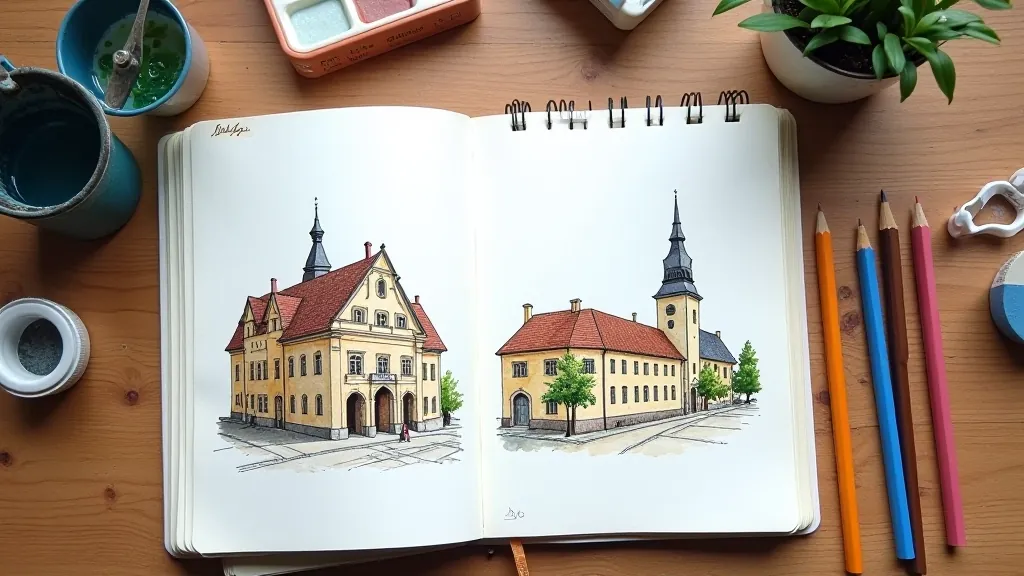
Learn quick watercolor sketching techniques while capturing the medieval architecture and vibrant streets of Latvia's capital city.
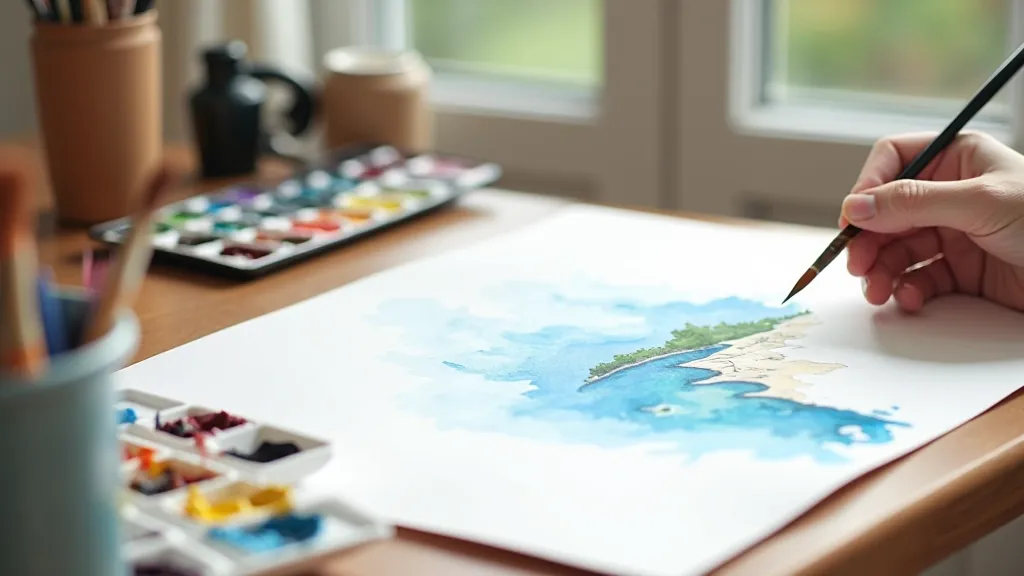
Master wet-on-wet, glazing, and layering methods specifically for capturing the unique light and colors of Latvia's countryside and Baltic coast.
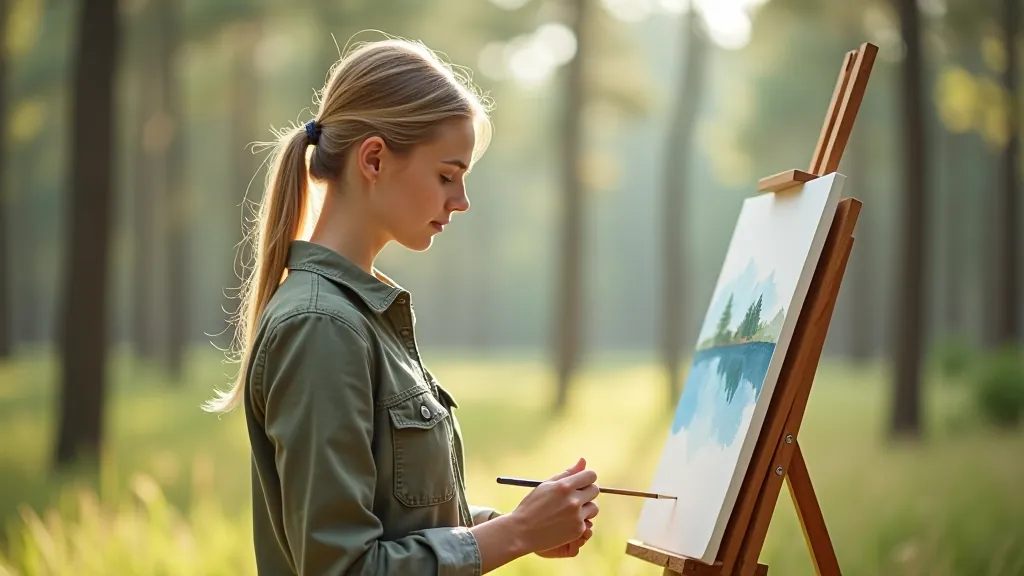
Latvia's landscape demands something special from watercolor artists. The light here's different — softer than you'd expect, with long golden hours that turn everything luminous. The forests are dense and moody. The Baltic coast shifts constantly between calm silvers and dramatic grays.
You can't just apply generic watercolor techniques here. What works for Mediterranean light won't work for Baltic light. The wet-on-wet technique needs adjustment. Your glazing approach changes. Even how you handle water on the paper becomes crucial.
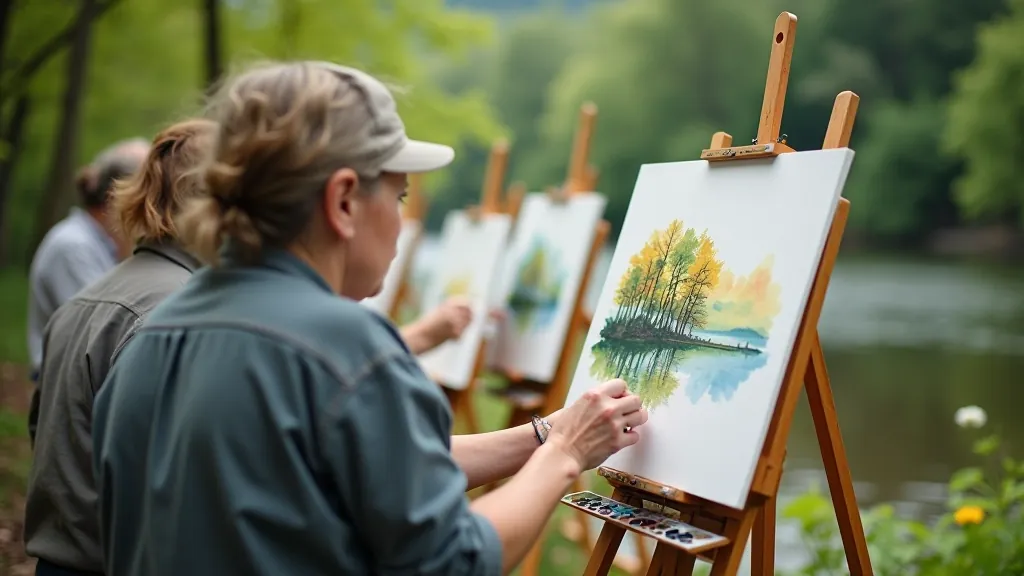
We've compiled the most effective methods for capturing Latvia's unique visual character. These aren't theoretical — they're techniques that have been tested across hundreds of plein air sessions in Gauja, along the coast, and throughout the countryside.
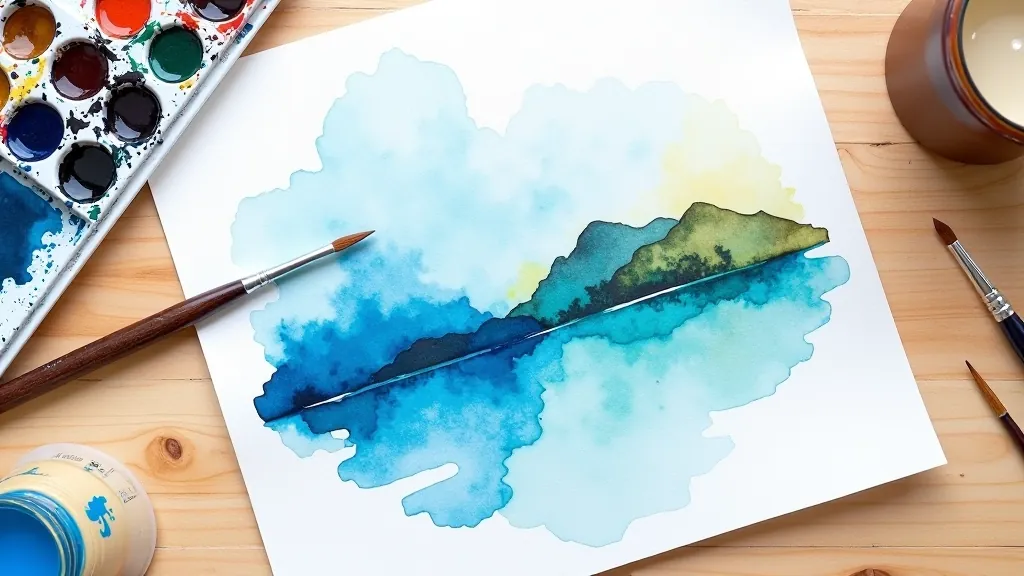
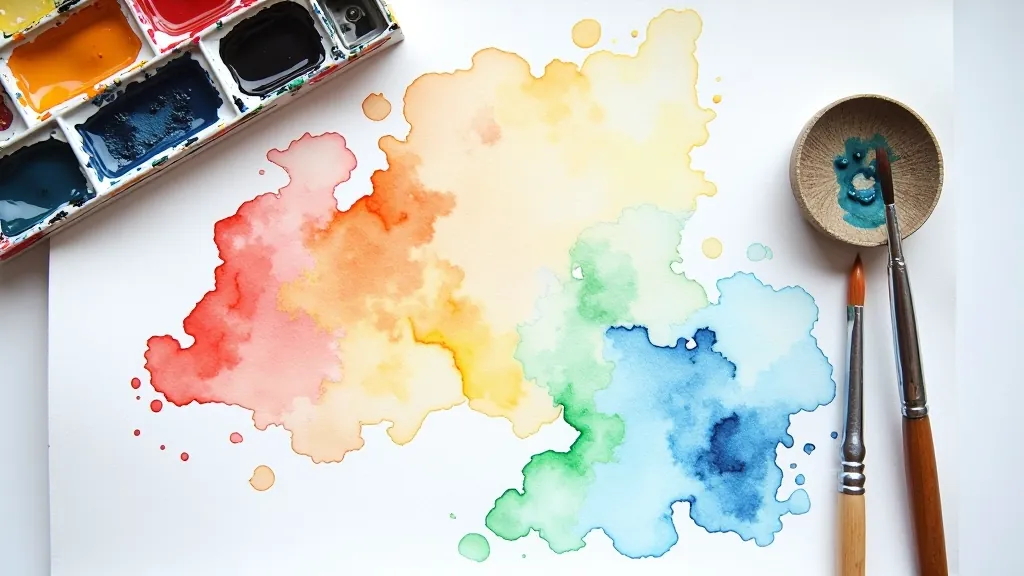
This is where most people start. You wet your paper completely, then apply color while everything's soaking. Sounds simple. But here's the thing — Baltic light requires you to think differently about your water saturation.
The humidity here affects your paper's drying time. In summer, you've got maybe 3-5 minutes before the sheen leaves the paper. In spring and autumn, it's closer to 6-8 minutes. You need to know this timing in your bones, not just intellectually.
For Latvian landscapes, we recommend starting with a 50/50 water-to-pigment ratio. Drop your colors in fast — cerulean blue for the sky, burnt sienna mixed with ultramarine for distant forests. Don't overthink it. The beauty comes from the colors finding their own way across the wet paper.
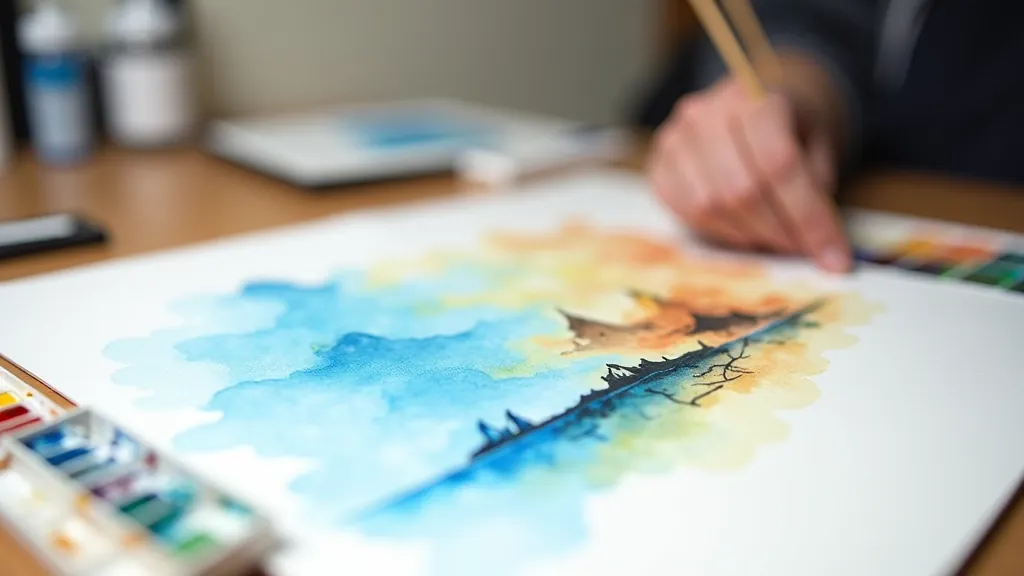
Glazing separates amateur watercolor from serious work. It's the technique that gives Latvian forests their mystery — those deep greens that still show the colors underneath. You're not mixing on the palette. You're layering transparent washes on dry paper.
Start with your lightest value. Let it dry completely — use a hair dryer if you're impatient. Then apply your second layer. The key here is using minimal pigment and maximum water. Your glaze should be almost translucent. When light passes through one layer and bounces off the layer beneath, that's where the magic happens.
For Baltic seascapes especially, you'll apply 4-6 glazes. First layer: pale cerulean for the sky's base. Second: warm gray for the mid-tones. Third: deeper blue for the horizon. By the time you're done, the depth is incredible. It doesn't look painted. It looks like you've captured actual light.
Most artists rush glazing. They want results immediately. That's where patience becomes your biggest asset. Between layers, take a break. Step back. Let the paper tell you what it needs next.
Here's something nobody tells beginners: the color mixing that works in temperate climates doesn't work here. Latvian light is cool. Even on warm days, there's a quality to it that demands cooler colors.
Forget pure greens from your tube. Mix your own. Ultramarine blue plus raw sienna gives you a green that actually looks like a Latvian forest in May. The secret is understanding that forests here aren't vibrant — they're nuanced. There's gray in the green. There's brown in the shadows.
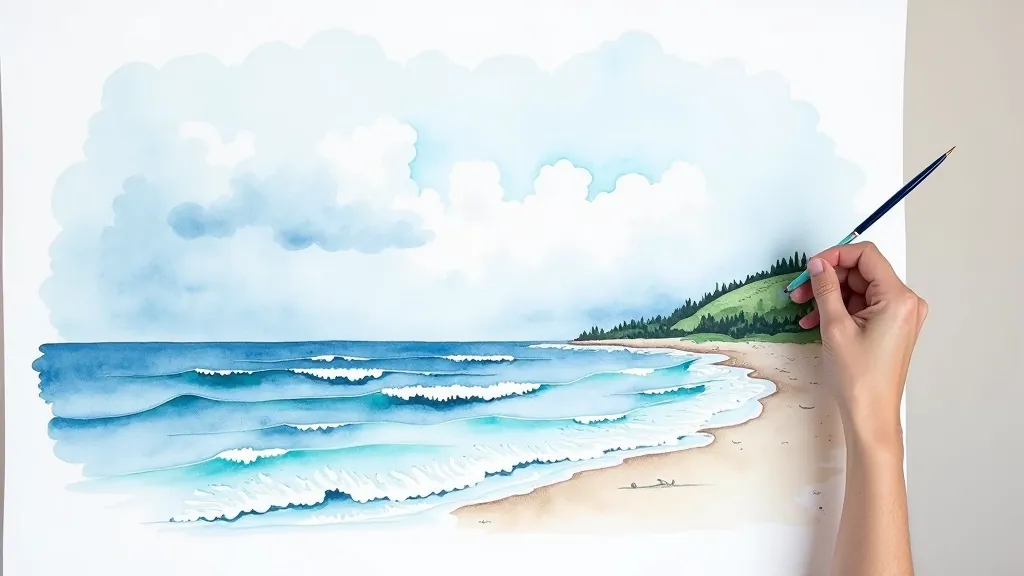
For the coast, you're working with cool blues, grays, and those unexpected warm tones where the sun hits the water. A mix of cerulean, permanent rose, and just a touch of raw umber creates that particular shade of gray-blue you see in the Baltic. It's subtle. It's sophisticated. And it's absolutely essential.
Don't use black. Seriously. Black is dead in watercolor. Instead, mix your darks from complementary colors — blue with orange, red with green. This creates living color that actually responds to light.
The techniques and methods described in this article are educational and informational in nature. They reflect established watercolor practices and the specific experiences of artists working in Latvia. Individual results vary based on materials, skill level, climate conditions, and personal artistic approach. We encourage you to experiment with these techniques, adapt them to your own style, and continue learning through practice and observation of actual light conditions in your painting locations.
These techniques work because they're rooted in observation. Wet-on-wet captures the soft quality of Baltic light. Glazing builds the depth that forests demand. Color mixing honors the specific palette of this landscape.
Don't memorize these methods. Instead, go out and paint. Bring a small sketchbook to Gauja or the coast. Test wet-on-wet on a cloudy day. Try glazing on a sunny afternoon. See how the techniques respond to actual conditions. That's where real learning happens.
The artists leading plein air workshops across Latvia have spent years refining these approaches. You're not starting from scratch — you're building on their experience while developing your own voice. That's the beautiful part about learning landscape painting here. There's a genuine community of people invested in capturing this particular landscape with honesty and skill.
Ready to apply these techniques in person?
Discover Plein Air Groups in Gauja