Essential Watercolor Techniques for Latvian Landscapes
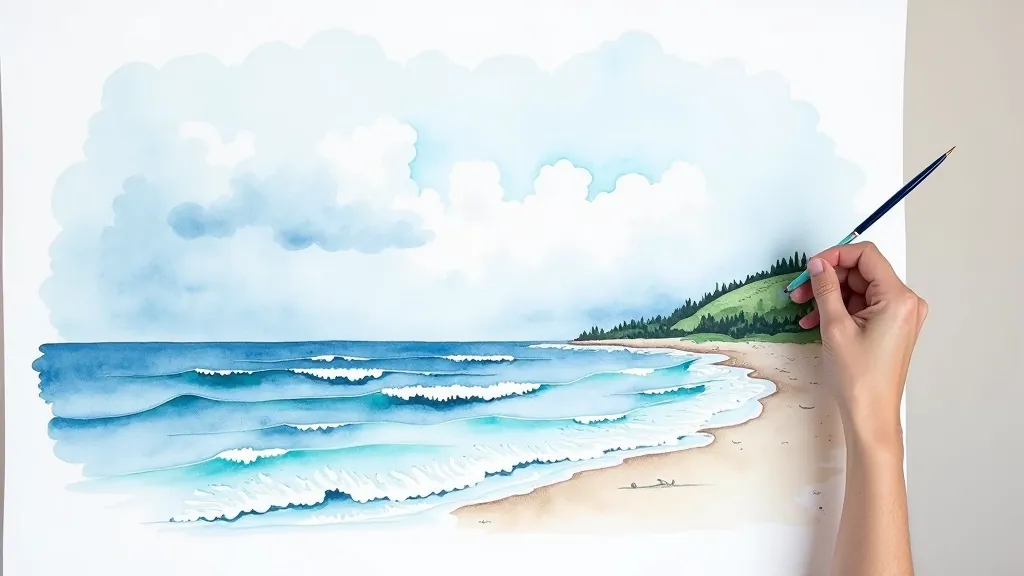
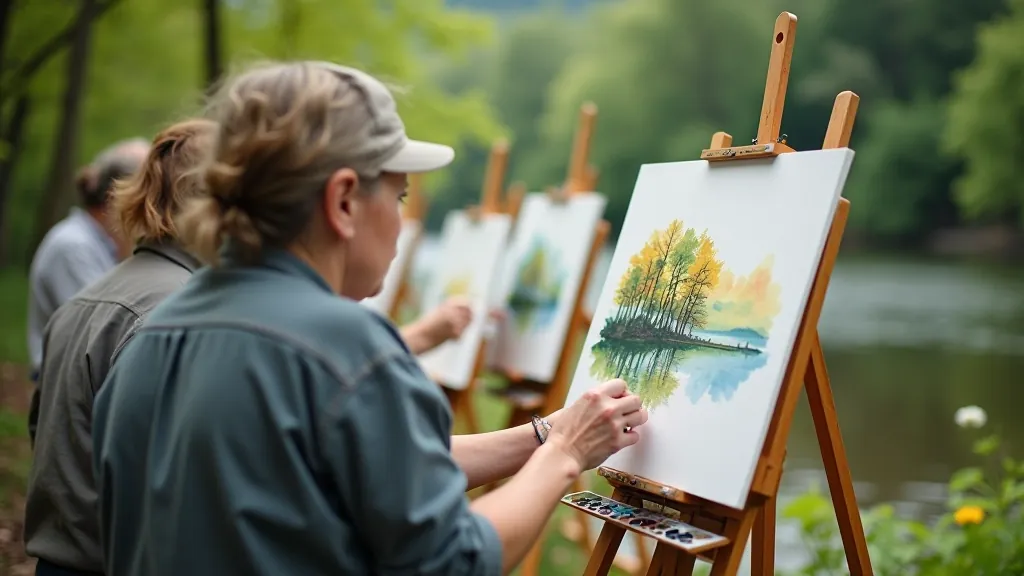
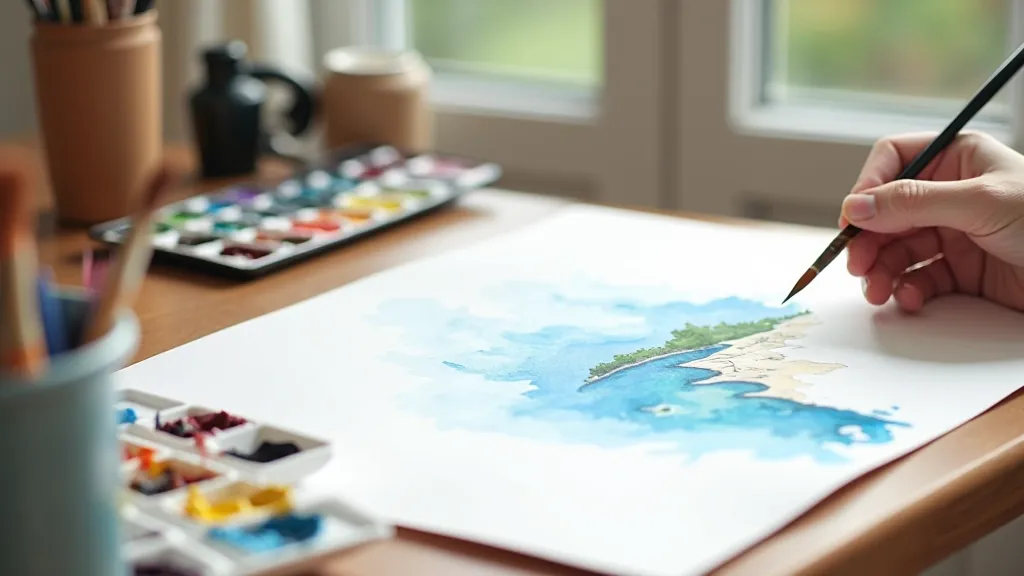
Master wet-on-wet, glazing, and layering methods specifically for capturing the light and atmosphere of Latvia's diverse countryside.
Read ArticleLearn quick watercolor sketching techniques while capturing the medieval architecture and cobblestone streets of Latvia's historic capital.
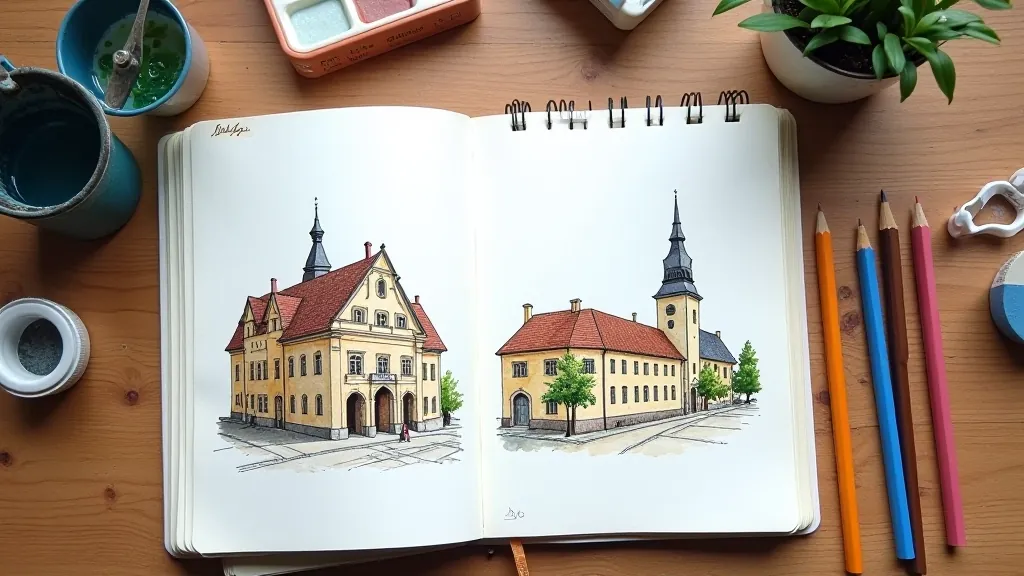
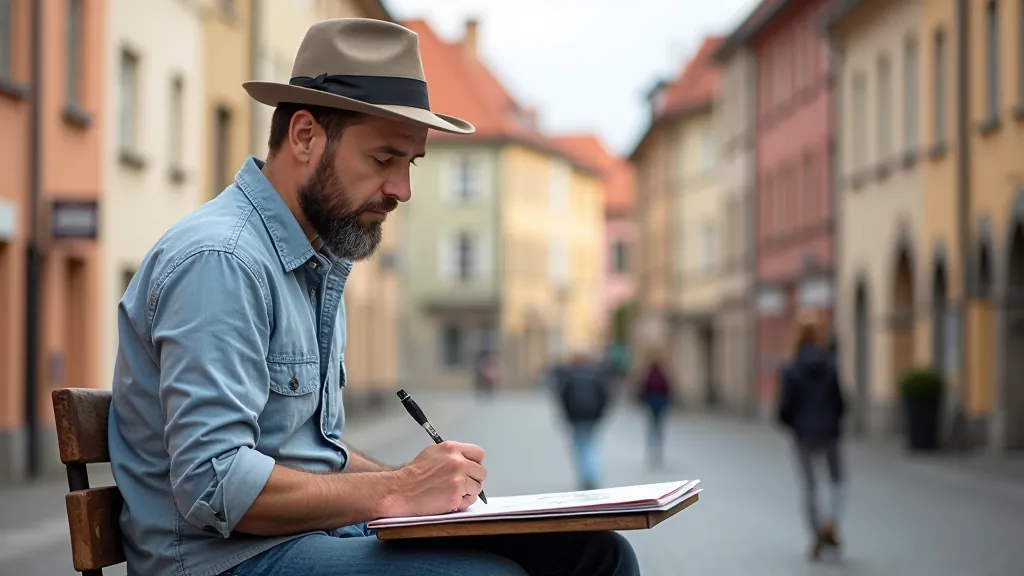
There's something magical about sketching in Rīga's Old Town. The narrow cobblestone streets, centuries-old architecture, and constantly changing light create the perfect environment for watercolor artists. It's not just about capturing buildings — it's about freezing moments in time with quick, confident brushstrokes.
Whether you're a complete beginner or someone who's been sketching for years, urban sketching in Rīga teaches you to see differently. You'll learn to simplify complex scenes, work faster, and trust your instincts. The medieval spires, guild houses with their ornate gables, and hidden courtyards offer endless inspiration for your sketchbook.
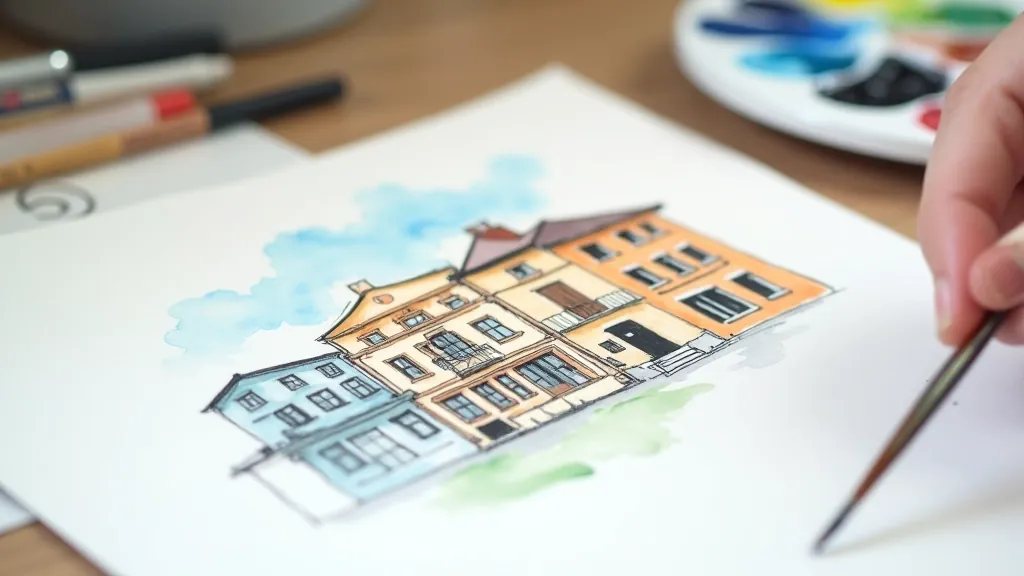
Urban sketching isn't about perfection — it's about speed and observation. You'll want to work with a limited palette. We typically use just five colors: ultramarine blue, burnt sienna, alizarin crimson, cadmium yellow, and raw umber. This forces you to mix naturally and keep things cohesive.
The wet-on-wet technique becomes your best friend when sketching buildings. Lay down your base wash while the paper's wet, then drop in darker values for shadows. The paint flows naturally, creating soft edges that feel alive. Don't wait for it to dry completely before adding details — that's where the magic happens.
Carry a travel-sized sketchbook (A5 size, about 5×8 inches) and a small watercolor set. You'll work faster with less gear, and the smaller format forces you to be selective about what you sketch.
Rīga Old Town has dozens of perfect sketching locations, and each one teaches you something different. Start at Town Hall Square — it's the heart of everything. The Town Hall building itself offers fantastic architectural details, and you've got people constantly moving through, which teaches you to sketch quickly.
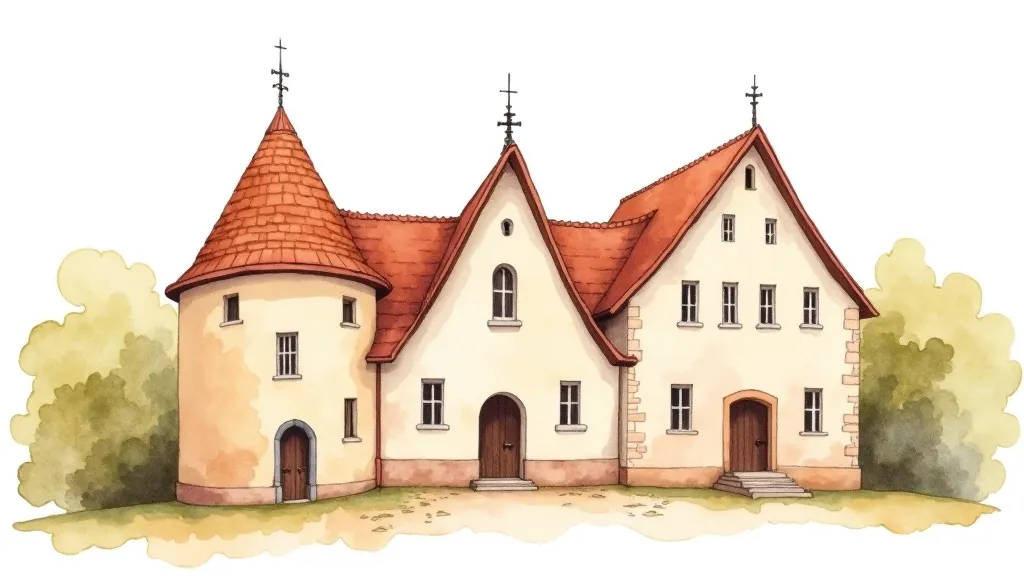
Move toward the Three Brothers buildings on Maza Pils Street. These three structures, dating back centuries, show you how to handle repetitive architectural elements while keeping each building distinct. The narrow street forces you to choose your viewpoint carefully — sometimes that means sketching from an alleyway or a café.
St. Peter's Church gives you something vertical to work with. The spire challenges you to sketch tall structures on small pages. You'll learn to simplify the details and focus on the overall silhouette and light direction.
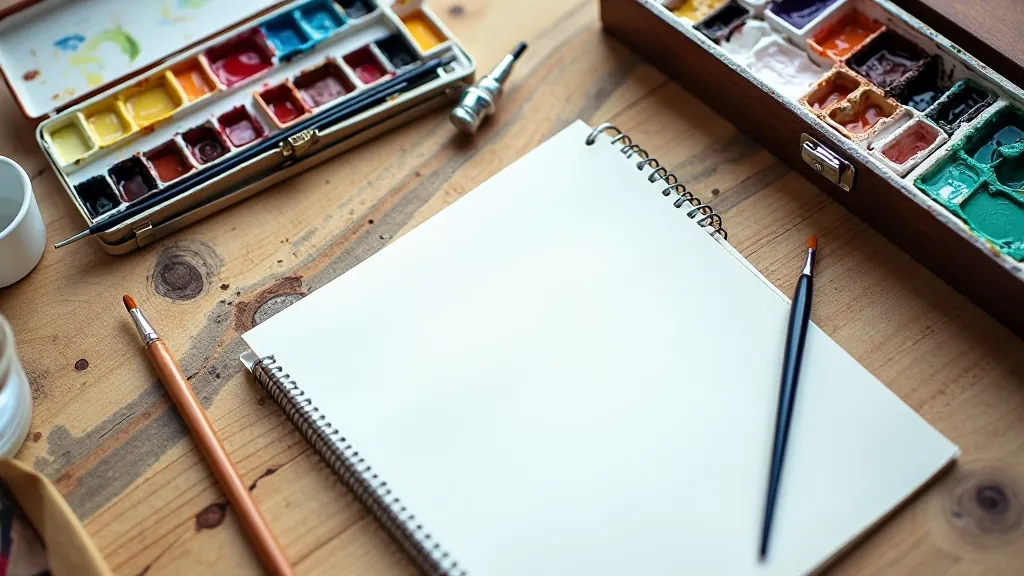
You don't need much gear. A good portable setup weighs less than two pounds. Get a compact watercolor set — Winsor & Newton Cotman or similar works perfectly for beginners. Bring two brushes: a medium round and a mop brush for washes. You'll also want a small water container (collapsible ones are great) and a pencil for initial sketching.
The paper matters more than you'd think. Cold-pressed watercolor paper (140 gsm minimum) holds water beautifully and lets you work faster. Rough paper can be tricky when you're sketching architectural details — you'll lose precision.
Spend 5 minutes just looking. Don't sketch. Notice the light direction, which buildings catch your eye, where the shadows fall.
Use a light pencil to map out the composition. Don't get precious about accuracy — rough shapes are enough.
Wet your paper, then apply light washes. This is where the foundation of your sketch develops. Work quickly.
Once the wash is partially dry, add darker values. This is where buildings get their character and dimension.
Light is everything in urban sketching. Early morning — around 7 to 9 AM — gives you soft, directional light without harsh shadows. The streets are quieter too, which means fewer people blocking your view and more time to focus on your work.
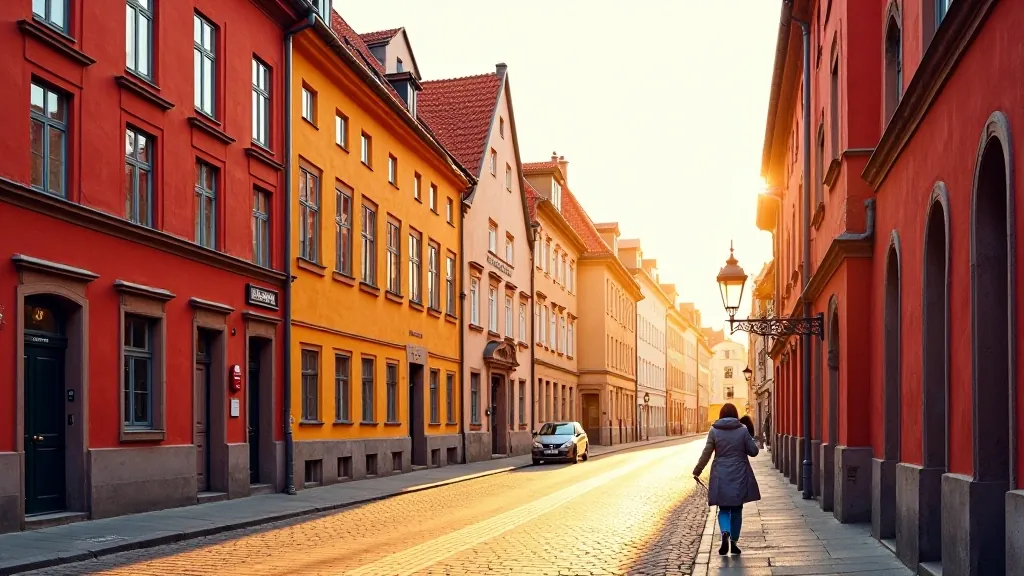
Late afternoon (4 to 6 PM) offers warm, golden light that makes everything glow. Stone buildings take on incredible ochre and rose tones. The downside? Crowds peak during this time, especially on weekends. You'll be sketching around tourists, which isn't bad — it's just different.
Avoid midday sketching if you can. The overhead sun creates harsh shadows that flatten your subject. But here's the thing — if you're in Rīga, midday is a good time to explore new locations for afternoon sketching sessions. Walk around, find interesting angles, scout your spots.
This article is an educational resource designed to help you develop urban sketching skills in Rīga. The techniques and recommendations shared here are based on established watercolor practices and personal experience sketching in Latvia's capital. Individual results vary based on experience level, materials used, and practice frequency. Consider this a starting point for your own exploration and experimentation. Every artist develops their own style and approach over time.
Urban sketching in Rīga Old Town isn't about creating gallery-ready paintings. It's about connecting with a place, seeing its details, and recording your impressions in real time. You'll be faster, bolder, and more confident with each sketch you complete. The medieval streets, historic buildings, and unique light of Rīga are waiting for your sketchbook.
Start small. A single 15-minute sketch teaches you more than hours of thinking about it. Bring your supplies, find a spot, and begin observing. The architecture won't go anywhere, and neither will your creativity.